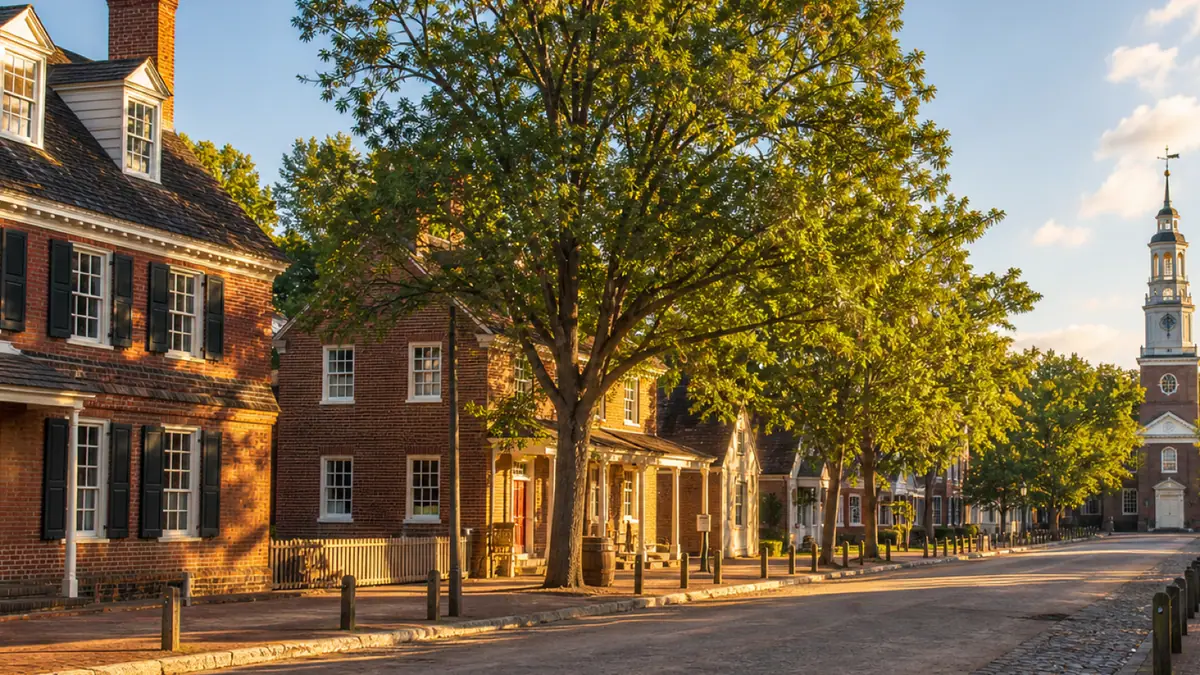
Williamsburg gets better when history stays central but the pace stays humane.
Quick read
Key takeaways
- Williamsburg holds up best when history stays part of the setting, not the whole burden of the itinerary.
- The planning risk is packing in too many side options and weakening the immersive quality that makes Williamsburg work.
- A little atmosphere, food, and neighborhood texture makes the city much easier to love.
- When it clicks, Williamsburg feels educational in the best sense. It feels calm, textured, and surprisingly pleasant to inhabit for a few days.
Turn this read into a trip
Start planning Williamsburg
If this guide is pointing you toward Williamsburg, jump into the destination guide for itinerary ideas, stays, restaurants, and a faster next step.
Plan with fewer surprises
Practical notes from the related destination guide
Use these guide details to shape the trip, then confirm operational information with the linked official source before you go.
Williamsburg
Typical stay: 2 to 4 days · Getting around: car-recommended
- Choose a few Colonial Williamsburg priorities instead of trying to see every building.
- Start outdoor history walks early in summer.
Guide note: Fly into PHF and stay fairly central; this visit usually works best with walking, short rideshares, and only occasional transit or parking decisions.
Official Colonial Williamsburg informationOpen the Williamsburg guideWhere to go next
Open the destination guides behind this guide.
Use the full destination pages when you are ready to move from advice into actual trip shaping.
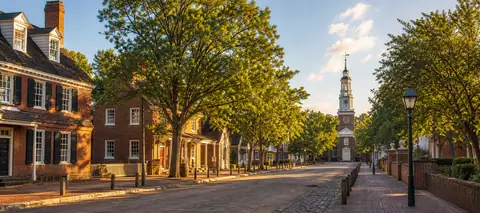
Why this kind of trip can go wrong
Williamsburg gets better once one priority is allowed to run the plan instead of competing with everything else. The best Williamsburg day feels slower than the plan people first imagine.
The planning risk is packing in too many side options and weakening the immersive quality that makes Williamsburg work. 2 to 4 days is the range where Williamsburg stops feeling skimmed and starts feeling like a real stay.
The problem is not history itself. It is building the trip in a way that makes history feel like a task instead of a setting.
The famous answer is often the one people regret forcing. Here, the plan that commits to immersion should survive the edit before the version embarrassed by its own slower pace does.
- If immersion is not the point, this is the wrong category. The version embarrassed by its own slower pace is the part to drop first.
The fastest way to use this guide
Pick one main thing in Williamsburg and build around it. The best Williamsburg day feels slower than the plan people first imagine.
If you are torn, give the prime hours to Colonial Williamsburg, build the meal around King's Arms Tavern, and let Shorty's Diner stay optional unless the first part of the day still feels strong.
- This works best for travelers who want history and families without a lot of friction.
- This disappoints if travelers who need nonstop intensity.
- Keep this intact. The best Williamsburg day feels slower than the plan people first imagine.
- A smarter city day shape is simple. Start with Colonial Williamsburg, eat around King's Arms Tavern, and only then decide whether Shorty's Diner has earned the second move.
- Editor's call is simple. Keep the plan that commits to immersion. Cut the version embarrassed by its own slower pace first.
Quick city planner
In Williamsburg, give Colonial Williamsburg real time, eat at King's Arms Tavern, and keep the rest light.
- The best first move is simple. Start with Colonial Williamsburg.
- The best reset move is simple. Leave room for a real meal around King's Arms Tavern.
- Do not force the second move if the first one already made the day.
- Watch for this first. Side attractions keep interrupting the historic center before it has time to work.
- A better reset is simple. The best Williamsburg day feels slower than the plan people first imagine.
What actually changes once you are there
Colonial Williamsburg and Duke of Gloucester Street both need more room than most first drafts give them.
A better day gives Colonial Williamsburg the prime hours, lets lunch or dinner revolve around King's Arms Tavern and Shorty's Diner, and Duke of Gloucester Street stays optional instead of mandatory.
The part people underestimate is this: side attractions keep interrupting the historic center before it has time to work. Plan around that first, then let the rest follow. The best Williamsburg day feels slower than the plan people first imagine.
- If one stop gets the real block of time, let it be Colonial Williamsburg.
- Use one strong cluster of places instead of trying to sample the whole destination evenly.
- Fly into PHF and stay fairly central; this visit is easiest with walking, short rideshares, and only occasional transit or parking decisions
What starts mattering once the trip is real
Williamsburg starts feeling off when side attractions keep interrupting the historic center before it has time to work. People do not see that coming when they book, but it changes how the trip feels.
A lot of first trips wobble for the same reason. People plan around variety before they see whether immersion was enough. A more useful local rule is the best Williamsburg day feels slower than the plan people first imagine.
The right stay helps the historic district feel revisitable instead of one-and-done. The trip settles down once you stop trying to top every previous block. If immersion is not the point, this is the wrong category.
- The first-timer mistake is people plan around variety before they see whether immersion was enough.
- The best Williamsburg day feels slower than the plan people first imagine.
- The trip settles down once you stop trying to top every previous block.
- If immersion is not the point, this is the wrong category.
The mistake people regret fastest
The regret comes from stuffing in variety before the historic center had time to work. In Williamsburg, the faster test is whether you are building the plan that commits to immersion or the version embarrassed by its own slower pace.
If immersion is not the point, this is the wrong category. Williamsburg gets better when the day slows down enough to feel the setting.
If a plan needs a long defense before you book it, it is probably the wrong plan here. The famous answer is often the one people regret forcing. Here, the plan that commits to immersion should survive the edit before the version embarrassed by its own slower pace does.
- The regret comes from stuffing in variety before the historic center had time to work.
- Skip the version embarrassed by its own slower pace.
- Keep the plan that commits to immersion at the center of the trip.
How to make the place feel lived in
A better version of Williamsburg lets one or two anchor sites matter, but it also leaves room for walking, food, side streets, and the atmospheric parts of Williamsburg that make the story feel human.
That shift changes the whole mood of the weekend.
A smarter Philadelphia-style day starts with one anchor, then loosens. Once the city has shown you one museum, market, or historic corridor, let the next decision come from appetite or neighborhood curiosity rather than obligation.
If you're torn, take the option that reduces second-guessing later in the day. That means letting the plan that commits to immersion run the day instead of apologizing for it. This is the part people tend to notice only after they are already committed.
What the fresher version delivers
You still get the value of the place, but the trip starts feeling like a getaway with character instead of a worthy obligation.
March to June is the cleanest window for getting Williamsburg in the form people actually picture when they book it.
What keeps the city feeling like a real getaway
The trick is giving yourself permission to stop proving that you learned enough. One thoughtful museum, one market or neighborhood stretch, and one dinner you are genuinely looking forward to will do more for the trip than stacking every famous site in sequence.
First-time visitors are often surprised by how much more enjoyable the city becomes once atmosphere, snacks, and conversation are allowed to share the spotlight with the official history.
- Treat one signature sight as the anchor, not the whole personality of the day.
- Use walking neighborhoods to transition between the serious parts and the fun parts of the trip.
- A shorter, more varied day is often better here than a longer, more dutiful one.
What repeat visitors figure out faster
People who love Williamsburg let the slower immersion be the point.
The thinner version begins with stuffing the trip with side options until the historic center loses its effect.
- Skip treating Williamsburg like it needs nonstop variety to justify itself. If it pulls the trip off center.
- If you upgrade one thing, make it spending on the stay or ticket choice that makes the historic district easier to revisit, not just enter once.
- If returning to the historic center feels like a commute, the base is not helping enough.
What to skip, what is overrated, and what is worth planning ahead
Williamsburg often disappoints for the same reason. The broad itinerary sounds stronger than the day itself feels.
Most of the improvement comes from trimming what does not support the real reason you picked Williamsburg.
- Skip treating Williamsburg like it needs nonstop variety to justify itself.
- Treating Williamsburg like it needs nonstop variety to justify itself.
- If you book one thing early, make it the stay or ticket choice that makes the historic district easier to revisit, not just enter once.
- Leave room for the block that should absorb mood, weather, recovery, or the better-than-expected neighborhood moment.
- For a first night, one easy arrival move that reinforces the city's rhythm instead of testing your stamina.
Keep planning
Read What Kind of Williamsburg Stay Fits Your Trip Best?
This guide pairs well with the section you just read and gives you another concrete next step instead of leaving the planning half-finished.
Open related guideWhat people get wrong
The most common mistake is trying to make every good idea fit into the same trip. That produces a version of Williamsburg that is busier, flatter, and less personal than it needs to be.
The better trip comes from choosing what deserves real emphasis and letting the rest support it instead of compete with it.
- Do not turn optional ideas into obligations just because they look good on a list.
- Let one clear priority shape the best hours of the day.
- If the itinerary starts reading like proof of effort, simplify it.