Decision-stage content
Comparisons, best-of roundups, and destination fit questions that happen before someone chooses a trip.
Editorial planning layer
These guides help travelers compare beach destinations, choose the right coast or island vibe, and plan around trip length, family fit, and season.
What these guides cover
Comparisons, best-of roundups, and destination fit questions that happen before someone chooses a trip.
How long to stay, when to go, and where to stay guides that make destination pages easier to use.
Each guide points back into the destination guides that can carry the traveler toward planning and booking.
Guide library

Destination round-up
A sharper look at which East Coast weekend trips fit couples, food travelers, beach seekers, and slower city-break planning.

Family beach comparison
A clearer family-travel comparison between Clearwater and Panama City Beach, including pace, convenience, and trip shape.

Stay planning
A practical first-time guide to choosing where to stay in Honolulu based on walkability, beach access, and trip tone.

Family trip planning
A guide to the best family beach trips when you want an easy three-to-five-day escape with the right balance of convenience and activity.

Nightlife planning
A practical guide to the best quick trips when bars, live music, late dinners, and after-dark energy matter to the whole destination choice.

Hybrid trip planning
A practical guide to the best trips when you want a destination that can give you both urban energy and real coastal payoff.

Long weekend planning
A practical guide to choosing the right U.S. Long weekend based on trip style, whether you want food, nightlife, history, beach time, or a low-effort reset.

Family beach strategy
Panama City Beach works best when the trip stays centered on water, breaks, and easy wins instead of a packed activity list.

Area strategy
The best part of Panama City Beach depends on how much of the trip should be beach-only, boardwalk-adjacent, or closer to outing variety.

Trip-balance guide
The best Los Angeles trip depends on whether you want neighborhood culture, beach relief, or a deliberate blend of both.

Trip-balance guide
Honolulu works best when you let beach time and city time reinforce each other instead of compete.

Trip-length guide
Maui gets much better when you stop trying to force Haleakala, Hana, resort time, and west-side beach days into one rushed blur.

Area strategy
The best Maui base depends less on what looks central and more on whether your trip is beach-led, resort-led, or built around reducing drive fatigue.

Island pacing
Maui rewards one smart shift in geography, but it gets annoying fast when every day tries to cover the whole island.
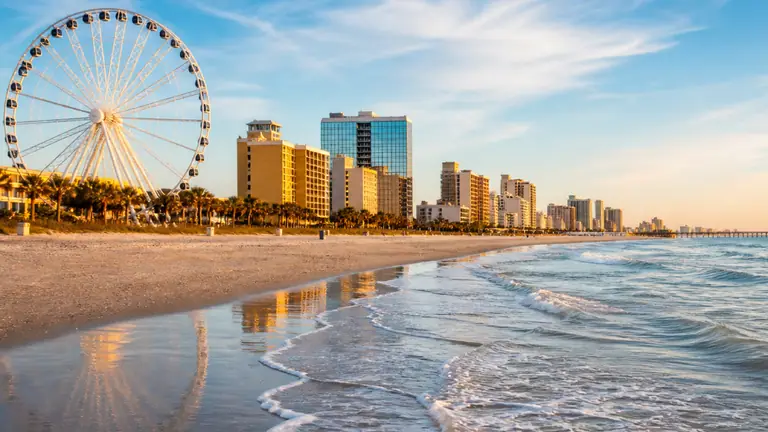
Trip-shape guide
Myrtle Beach works best when the boardwalk is part of the trip, not the only idea the trip has.

Area strategy
Where you stay in Myrtle Beach matters because different parts of the Grand Strand create different family rhythms.

Reset planning
Clearwater is strongest when the trip really behaves like a beach reset and not a frantic Florida sampler.

Trip-balance guide
Some Clearwater trips are better when they stay simple. Others improve with a little more St. Pete-Clearwater range.

Trip-fit guide
Key West is less about classic beach days and more about compact energy, bars, streets, and sunset ritual.

After-dark base strategy
Where you sleep in Key West shapes whether the island feels walkable and lively or a little more buffered and calm.
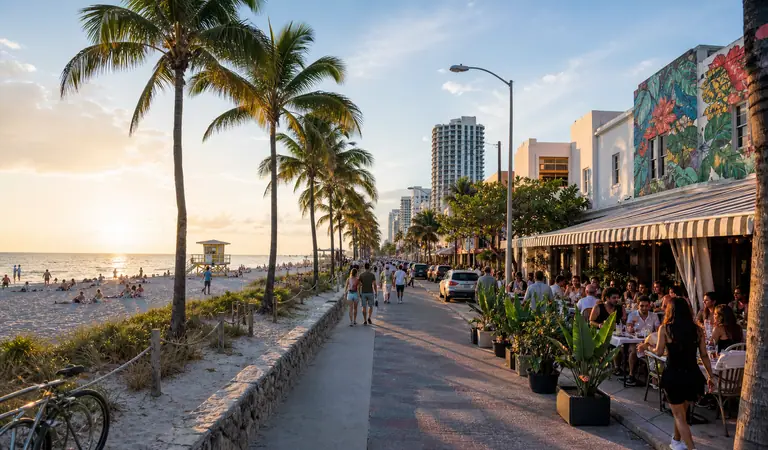
City-and-coast guide
Miami gets clearer once you decide whether the beach should carry the trip or whether the city's neighborhoods, food, and design energy should do more of the work.
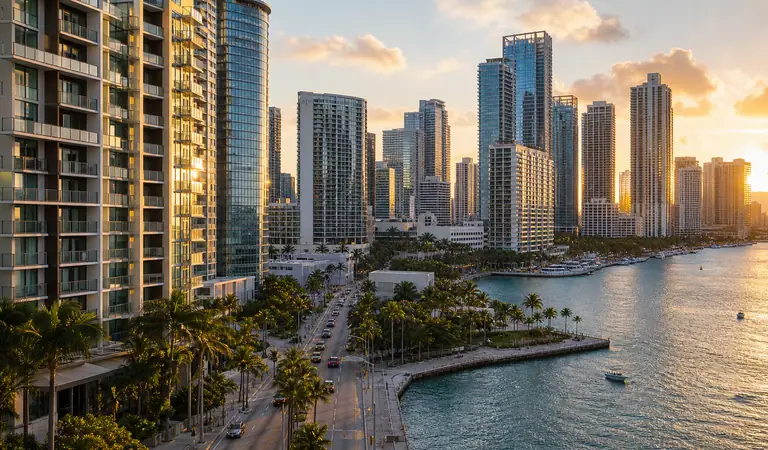
Area strategy
Miami gets much easier once one zone is allowed to shape the trip instead of every neighborhood competing equally.

Planning angle guide
Miami can support several excellent vacations, but the trip gets better once you name which version you actually want.

Beach-trip simplifier
Ocean City works best when the plan respects how repetitive beach trips are supposed to feel.
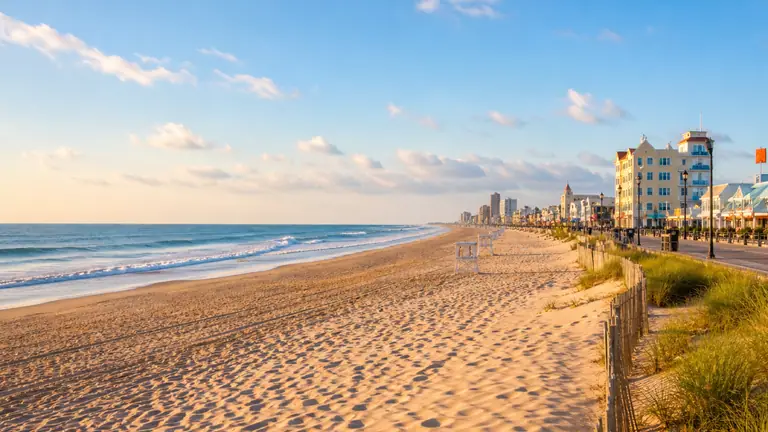
Trip-balance guide
Ocean City feels different depending on whether your real draw is the boardwalk loop, the sand itself, or a lighter bay-side rhythm.

Trip-balance guide
Charleston can be a polished city weekend, a softer coastal mix, or a little of both depending on how much range you want.

Trip-balance guide
San Diego can be a sharper city break, a softer coastal reset, or a mix of both depending on what you want the trip to do.

Area strategy
San Diego gets much easier once one zone is allowed to shape the trip instead of every neighborhood competing equally.

Trip-fit guide
San Diego can support several excellent vacations, but the trip gets better once you name which version you actually want.

Trip length guide
Three nights is the sweet spot for a first Bar Harbor trip. It gives Acadia two real days and keeps the island from becoming a parking-and-checklist exercise.

First-time itinerary guide
A three-day Bar Harbor plan that puts Acadia’s coast first, saves pond country for a second day, and leaves enough empty space for weather, parking, and dinner to behave like real life.

Stay strategy
Stay downtown if dinner walks and harbor evenings are part of the trip. Stay near Hulls Cove if parking, pools, and early park starts matter more than a pretty walk home.

Trip length guide
Three days is the sweet spot for Fort Lauderdale: enough beach time, one water-and-city day, and an Everglades option without turning the stay into a series of rideshares.

Stay strategy
Stay at the beach for a real sand-first break, Las Olas for restaurants and river walks, and downtown for a modern city weekend. Here is the tradeoff that actually changes the trip.

First-time itinerary guide
A first-time Fort Lauderdale plan that gives the beach, Las Olas, waterways, and Everglades enough room without letting heat, traffic, or a full restaurant list run the weekend.
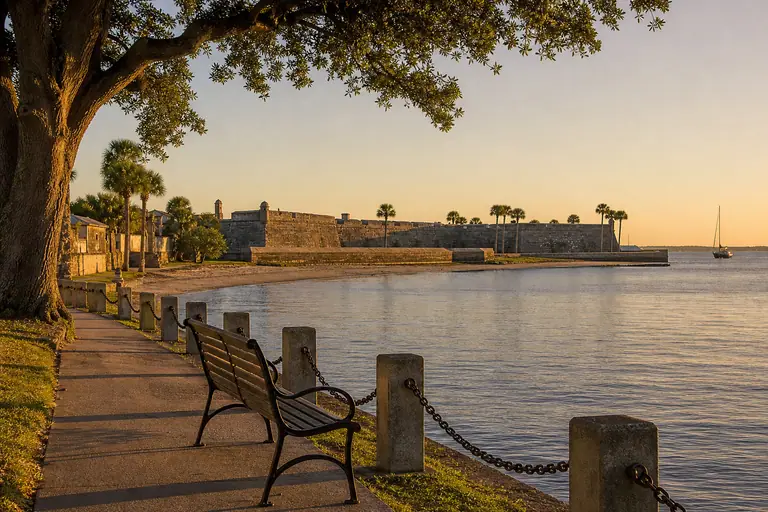
Trip-length guide
Two nights can work for the fort and old streets. Three days is the honest answer if you also want Anastasia Island, a real meal, and time to stop treating every brick building as an appointment.

Where to stay guide
Stay in the historic district for dinner walks and the fort at your door. Stay near the beach only if the ocean is a daily plan, not just a nice idea on the booking screen.

Trip-length guide
Three nights is enough for sand, bikes, and a proper Lowcountry meal. Four or five days is where Hilton Head stops feeling like a resort booking and starts feeling like an island.

Where to stay guide
Choose the South End for public-beach ease, Sea Pines for a polished Harbour Town stay, and mid-island when you want more room to move. The wrong hotel zone can turn a simple island trip into a gate-and-parking routine.
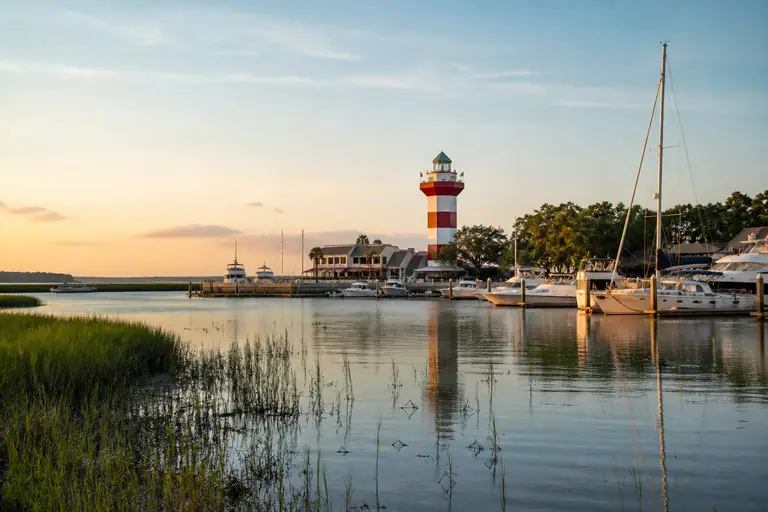
First-time itinerary guide
A four-day Hilton Head plan for beach time, Harbour Town, Lowcountry history, and a waterfront meal, without spending the better part of your vacation rearranging reservations.

Trip-length guide
Two nights can cover the beach and a good dinner. Three full days is the honest answer if you also want the speedway, Ponce Inlet, or the quieter parts of Volusia County.

Stay strategy
Beachside is the right base for first-time ocean time and evening energy. Choose Ponce Inlet for a calmer resort rhythm, or Ormond when you want Old Florida and less boardwalk noise.
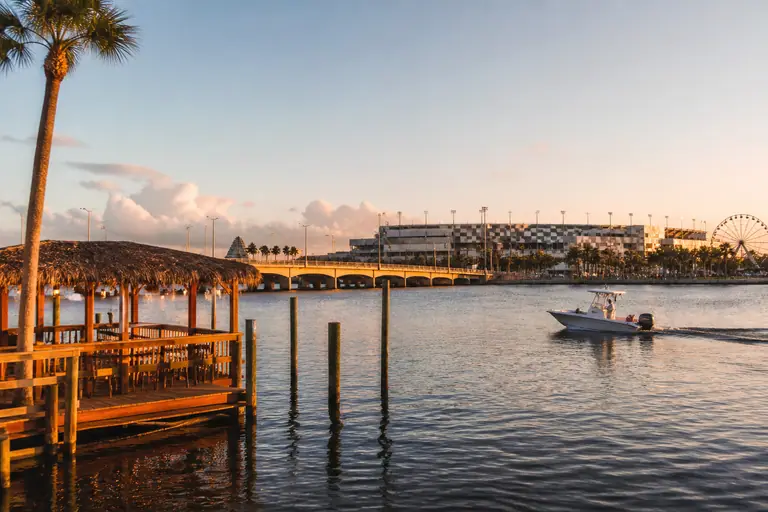
First-time itinerary guide
A first Daytona Beach weekend should be beach-led, with one speedway or riverfront day and a Ponce Inlet or dunes finish. The real skill is leaving the afternoon loose enough to stay pleasant.
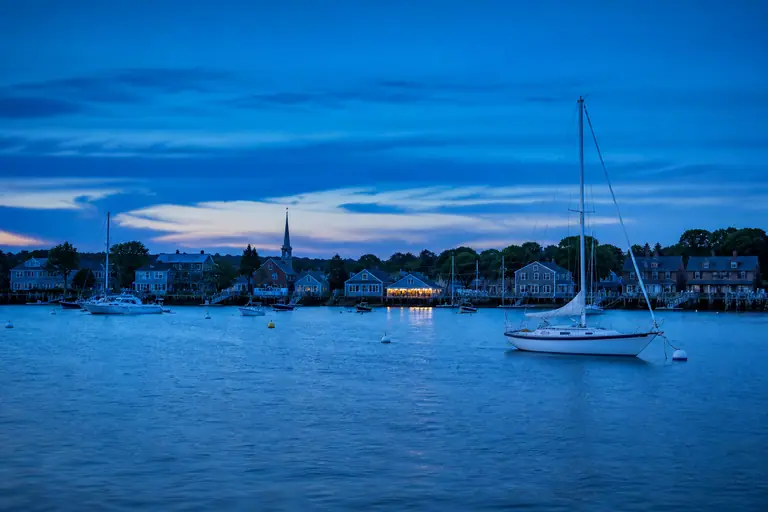
Trip length guide
Three days gives a first Newport trip room for one mansion day, one coast day, and harbor evenings that do not feel squeezed between tickets.

Stay strategy
Stay downtown or by the harbor for walkable dinners and sailing access. Choose Bellevue Avenue for historic-hotel character and mansion proximity, not because it is secretly the same neighborhood.
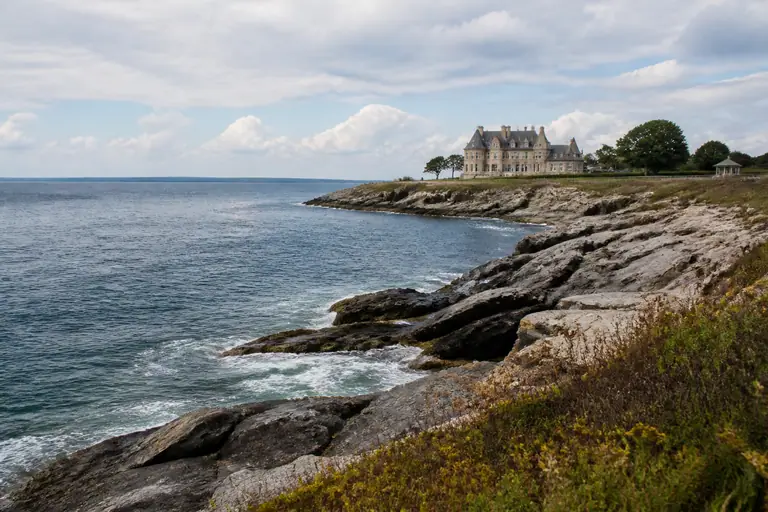
First-time itinerary guide
A first Newport long weekend works when one mansion day, one water-and-coast day, and downtown evenings are allowed to stay separate.
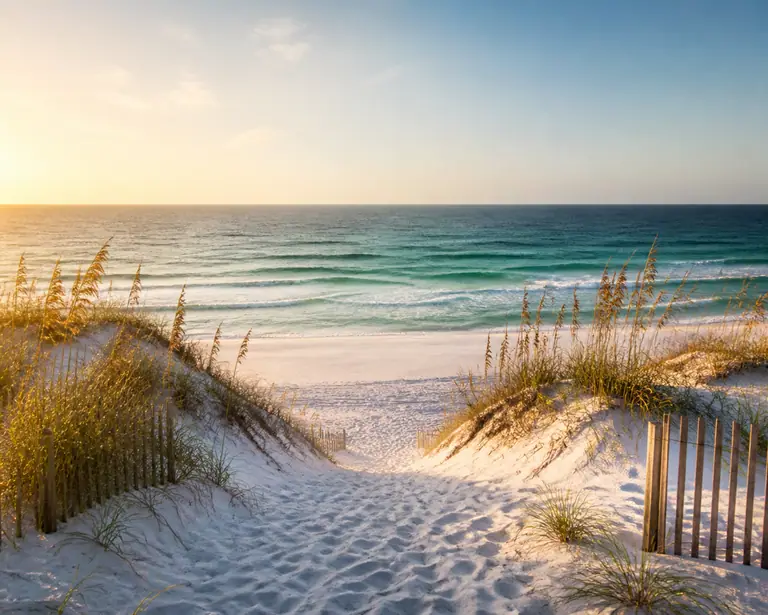
Area strategy
Choose Henderson Beach for beach-first days, the harbor for boats, or Sandestin for a self-contained resort rhythm.

Trip length
Three days covers the essentials; four or five adds a boat day and weather buffer without rationing beach time.
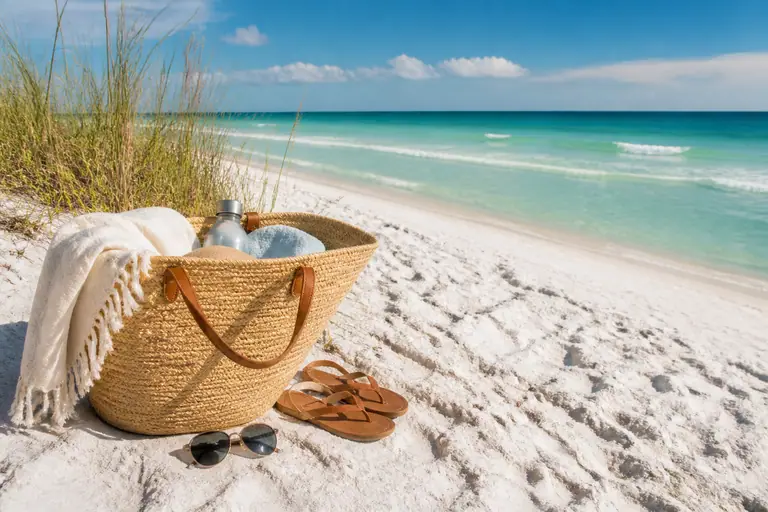
Beach pacing
Plan around one strong water block, one harbor move, and a real rain backup.
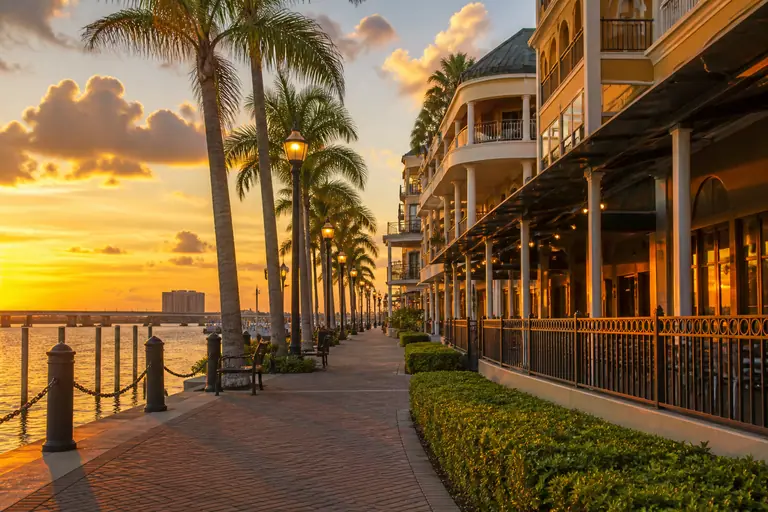
Fort Myers stay guide
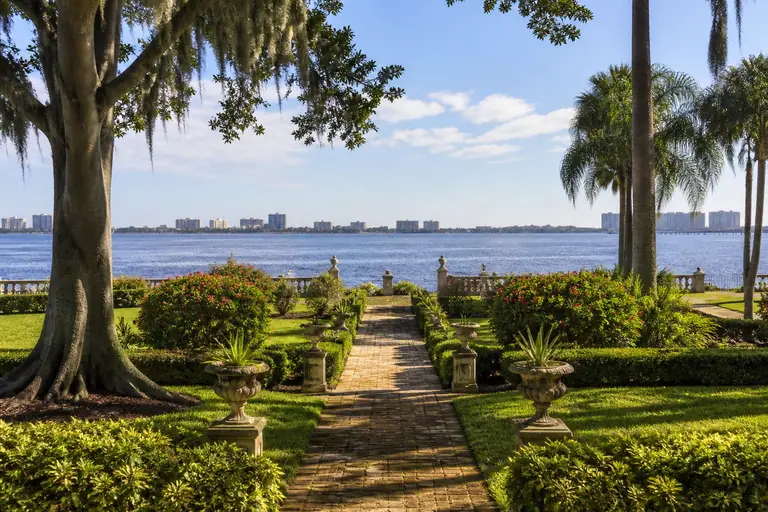
Choose the River District for evenings you can walk, or south Fort Myers for easier driving and family logistics.
Fort Myers trip length
Three days gives Fort Myers a strong first shape. Four or five gives the Gulf day room to move with the weather.

Fort Myers planning guide
Build Fort Myers around riverfront evenings, early wildlife, and a flexible Gulf day rather than an overstuffed checklist.

Stay strategy
A neighborhood-first guide to choosing a downtown, Lido Key, or Siesta Key Sarasota hotel base.
Trip length
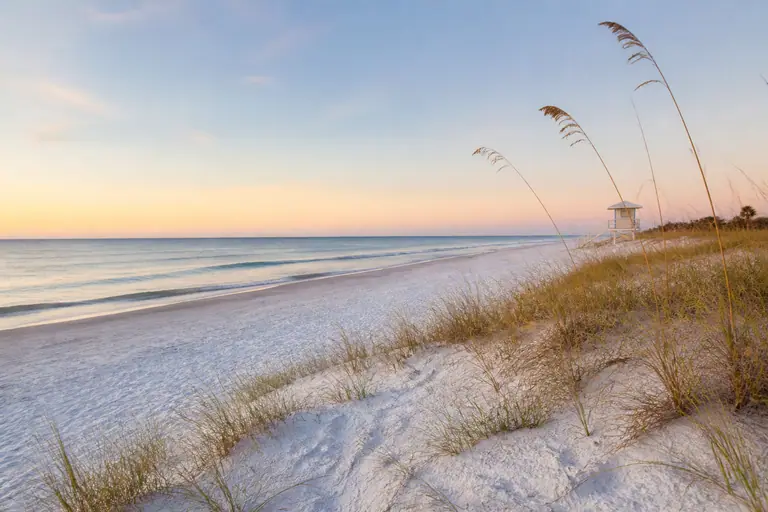
A realistic Sarasota trip-length guide that makes room for Gulf weather changes.

Beach and arts pacing
A beach-and-arts Sarasota itinerary that avoids crisscrossing the coast.
South Lake Tahoe planning
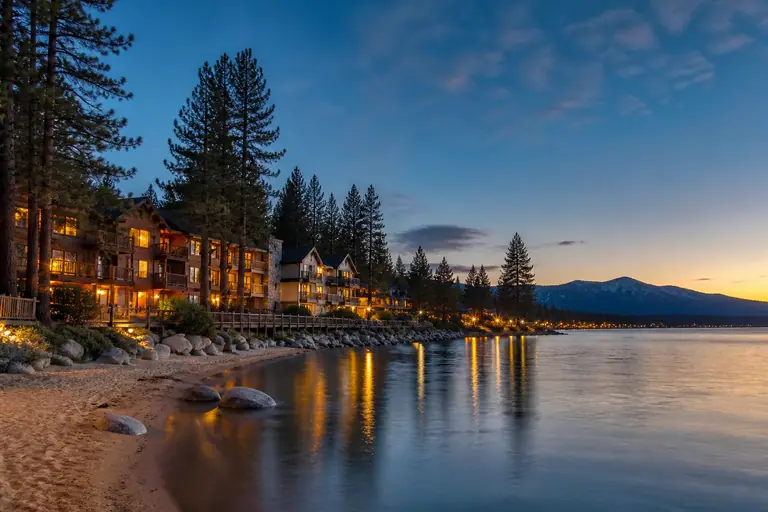
Stay near Stateline for walkable evenings and Heavenly access. Choose Lakeside or Ski Run for beach time, and the quieter south-west edge only when the outdoor plan matters more than nightlife.
Santa Cruz trip length
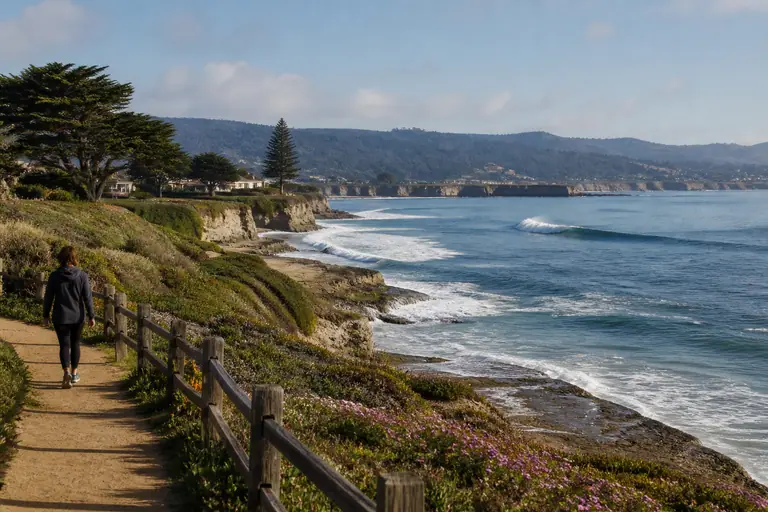
Choose two days for the beach-town core, three for the redwoods, and four only when you want a surf lesson or quieter coast day without squeezing the trip.

Santa Cruz hotels
Stay near Main Beach for a car-light first trip, downtown for food and rain backups, Westside for coastal walks, or Seabright for quieter nights with a car.

Santa Cruz itinerary
Build Santa Cruz around three separate jobs: a contained Boardwalk block, a good-weather coast day, and a redwoods day that is not squeezed between beach stops.
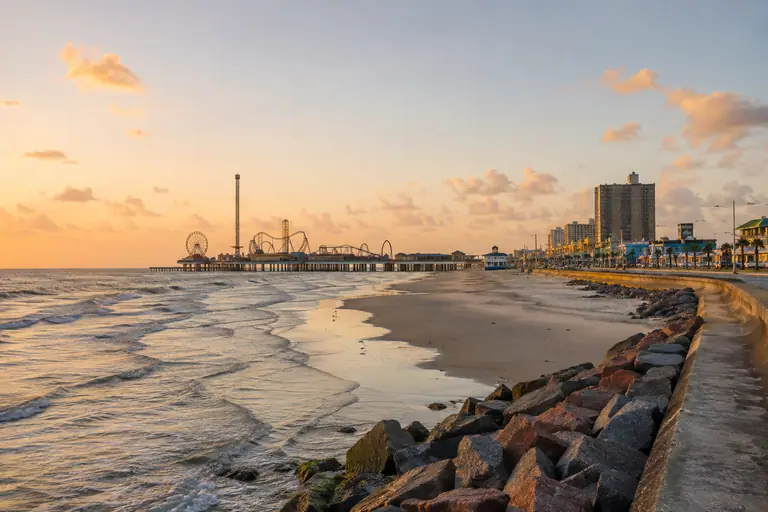
Galveston trip length
Plan two days for the Seawall and Strand, three for Moody Gardens or the East End, and four only if the West End beach day is part of the point.
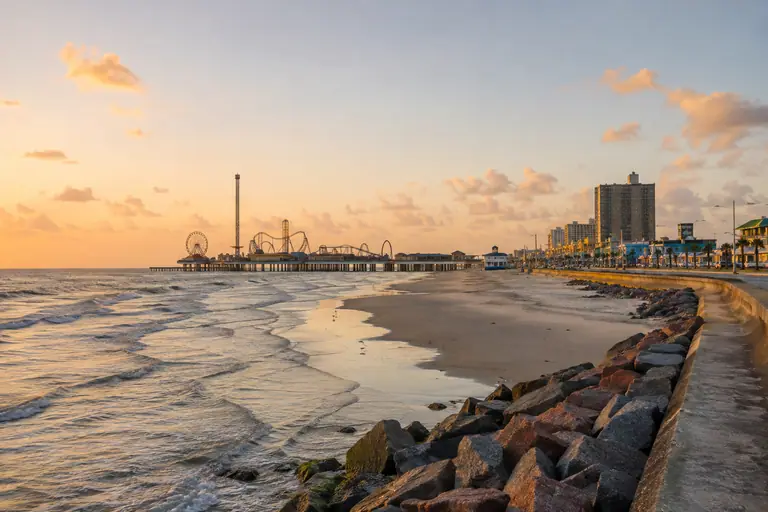
Galveston hotels
Stay on the Seawall for beach-first days, The Strand for dinners and harbor history, East End for a quieter historic base, or Moody Gardens for an attraction-led family trip.
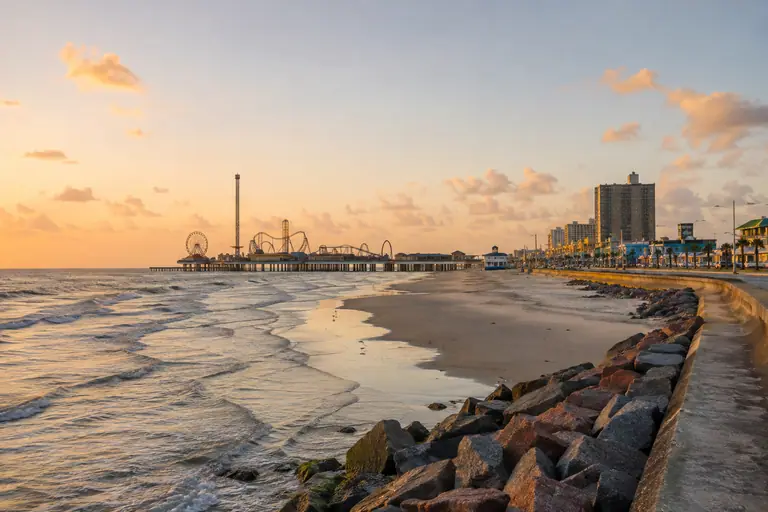
Galveston itinerary
Build Galveston around one beach block, one historic downtown evening, and one weather-proof or quiet-island day that does not get squeezed between them.

Traverse City trip guide
Choose downtown for Front Street and evening walks, a bayfront hotel for beach time, or a west-side base only when regional driving matters more than walking home from dinner.

Family beach strategy
Pick a Gulf Shores base that matches your beach, park, marina, or quiet west-end day so nightly driving does not take over the trip.
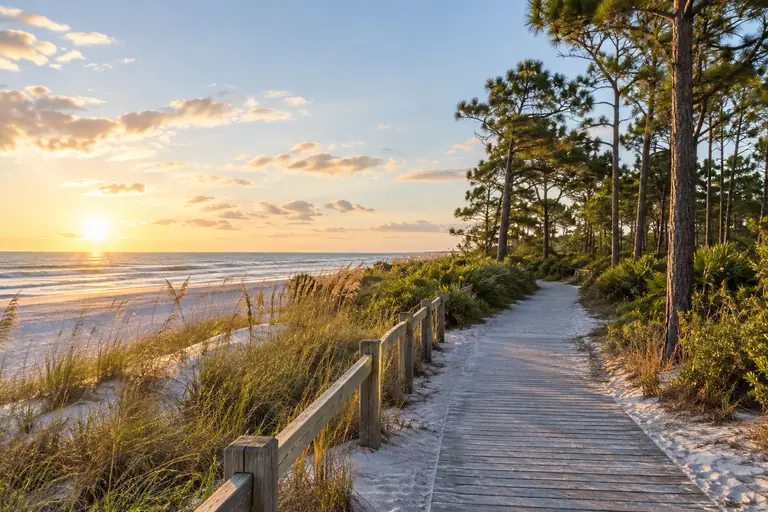
Family beach strategy
Plan three Gulf Shores days for a beach-and-park first visit, then add time for Fort Morgan, Orange Beach, or loose weather-aware beach time.

Family beach strategy
Compare Gulf Shores and Destin by the non-beach day you would actually enjoy, from Alabama state-park time to Emerald Coast resort and harbor activity.