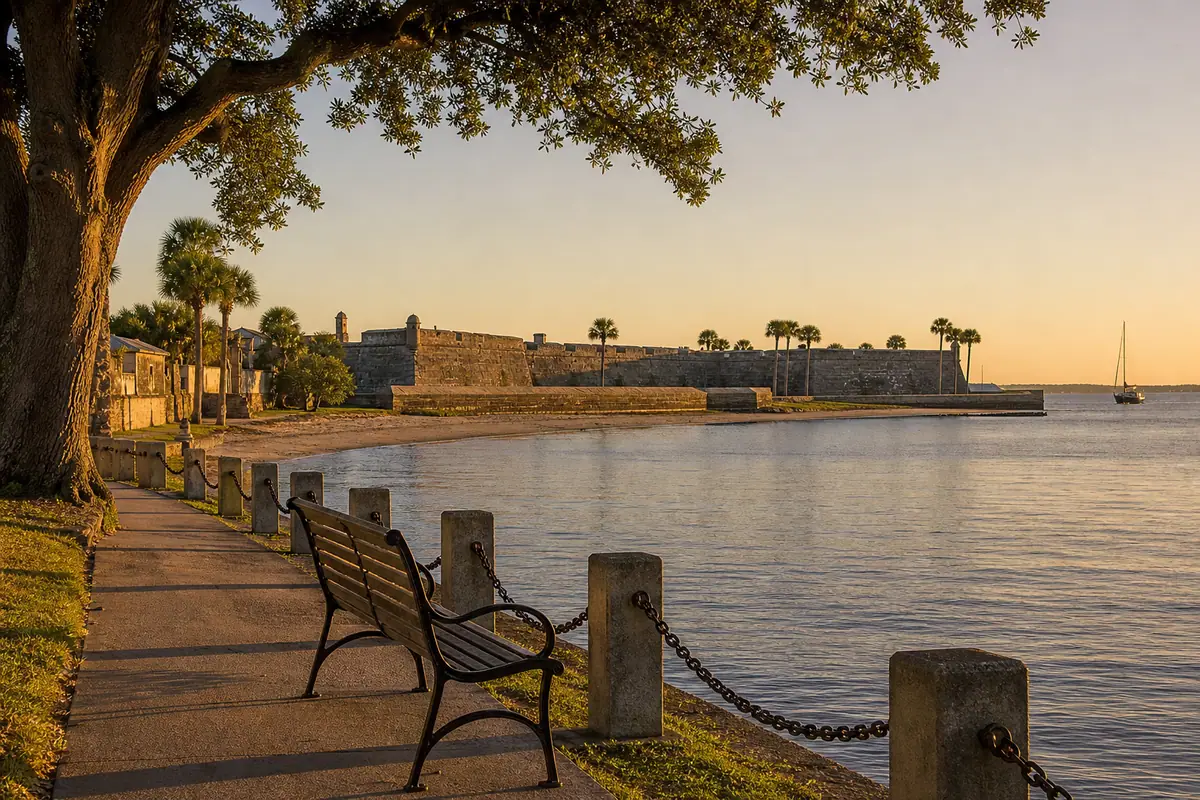
Two nights can work for the fort and old streets. Three days is the honest answer if you also want Anastasia Island, a real meal, and time to stop treating every brick building as an appointment.
Quick read
Key takeaways
- Two nights cover the fort and the central streets; they do not comfortably cover the island too.
- Three days gives one history day, one softer city day, and one beach or wildlife day.
- Do not spend your extra day collecting more small museums if the Atlantic is part of why you came.
- Protect outdoor anchors for morning or late afternoon, especially in warmer months.
Turn this read into a trip
Start planning St. Augustine, Florida
If this guide is pointing you toward St. Augustine, Florida, jump into the destination guide for itinerary ideas, stays, restaurants, and a faster next step.
Plan with fewer surprises
Practical notes from the related destination guide
Use these guide details to shape the trip, then confirm operational information with the linked official source before you go.
St. Augustine, Florida
Typical stay: 2–3 days · Getting around: mixed
- Start the fort, lighthouse, and beach earlier than your instincts suggest. Heat and pedestrian congestion make the middle of the day feel longer here.
- Do not confuse St. George Street with the entire city. Lincolnville, the bayfront, Anastasia Island, and the quieter side streets carry a different, less stage-managed version of St. Augustine.
Guide note: The historic core is genuinely walkable once you are parked, but the lighthouse, Anastasia State Park, St. Augustine Beach, and Fort Matanzas sit on different pieces of the map. A car makes the full city easier; rideshare can work if you keep each day geographically honest. Verify current parking, tour times, monument access, and bridge traffic before a timed day.
Official Castillo de San Marcos National Monument informationOpen the St. Augustine, Florida guideWhere to go next
Open the destination guides behind this guide.
Use the full destination pages when you are ready to move from advice into actual trip shaping.
The short answer
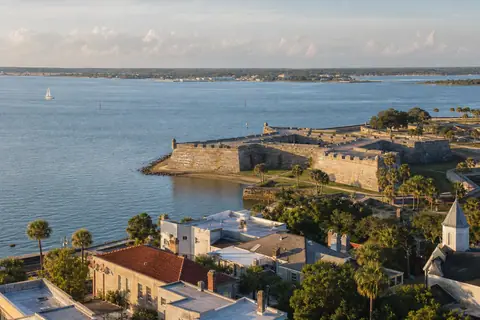
For most first trips, plan three full days. Day one belongs to Castillo de San Marcos and the historic waterfront. Day two lets Flagler College, Lightner Museum, Lincolnville, and a good dinner breathe. Day three goes to Anastasia Island, the lighthouse, the Alligator Farm, or Fort Matanzas. That shape has room for a late coffee and a wrong turn, which is exactly what St. Augustine needs.
Choose two nights only if the trip is a historic-core weekend and you accept that the beach is a glance, not a day. The city is compact on a map, but sun, tour groups, bridge crossings, and the seductive number of little attractions make a short visit feel smaller than it looks.
What fits in two nights
Arrive, park once, and make the waterfront your first afternoon. See the fort early the next day, then take the plaza, Aviles Street, and St. George Street at walking speed. A Flagler College or Lightner Museum visit, not both at maximum intensity, gives the second day a proper interior. Book one dinner worth changing shoes for.
The wrong move is arriving Friday afternoon, trying to do the fort before closing, then booking a Saturday lighthouse climb, beach lunch, distillery tasting, and 8 p.m. Dinner. That plan turns a lovely old city into a relay race with bad parking.
Why the third day earns its keep
The third day is not for another plaque. It is the day that lets the city stop performing. Go to Anastasia State Park while the dunes are still cool, climb the lighthouse if the stairs appeal, or take Fort Matanzas as a small marsh-and-water counterpoint to the big downtown fort.
St. Augustine has a trick: its history is loudest in the core, but its pleasure often lives just outside it. A beach morning followed by tacos on A1A, or Lincolnville and the Ice Plant after a slow hotel breakfast, makes the trip feel chosen instead of consumed.
Who should add a fourth day
Add a fourth day for families, anyone who wants a genuinely beach-first afternoon, or travelers who enjoy museums without speed-reading the labels. It is also the kinder choice in summer, when outdoor hours need a siesta or an air-conditioned reset.
Do not add a fourth day simply because you are nervous about missing things. St. Augustine is not a city that rewards exhaustive coverage. The best extra time goes to a long lunch, a second pass through the quieter streets, or a beach chair that lasts longer than your sunscreen plan.
Next step
Open the full St. Augustine, Florida destination guide
If this section is helping you narrow the trip, the destination guide is where you can compare stays, shape the itinerary, and turn the advice into an actual plan.
Plan St. Augustine, Florida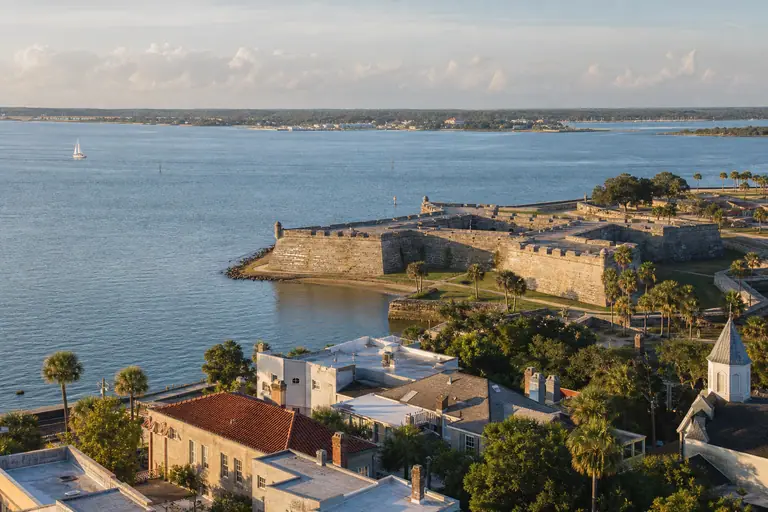
The timing mistake people regret
People protect every ticket and leave no slack for heat, storms, or an unexpectedly good dinner. The fort, lighthouse, monument boat access, museum hours, parking, and reservations are all operational details worth checking close to the trip. The weather gets a vote here.
A three-day St. Augustine trip should feel like salt on your skin and coquina underfoot, not a spreadsheet that survived by force. The wrong move is treating a storm delay as a reason to cram the missed stop into dinner time.
Keep planning
Read Where to Stay in St. Augustine: Historic District or Beach?
This guide pairs well with the section you just read and gives you another concrete next step instead of leaving the planning half-finished.
Open related guideWhat people get wrong
They treat St. George Street as the whole city, then spend the warmest part of the day in a souvenir crowd. The better call is one named historic anchor, then Lincolnville, the bayfront, or Anastasia Island when the itinerary needs air.
What repeat visitors figure out faster
The fort is better early, the beach is better before lunch, and the best dinner is often the one that does not require changing neighborhoods after everyone is sun-tired. That small bit of geographic discipline keeps the weekend from feeling like a shuttle service.
What to skip, what is overrated, and what is worth planning ahead
Skip the impulse to book every walking tour and museum. Plan Castillo de San Marcos, a small dinner room, and any timed lighthouse or Fort Matanzas access; let the plaza, Aviles Street, and a coffee stop remain loose.
What people only notice once they are there
The historic center and Anastasia Island are close enough to look interchangeable on a phone, yet they make different days. Bridge traffic, heat, and one extra parking decision have a way of showing up just when the group is ready for dinner.
The mistake people regret fastest
Trying to make the fort, lighthouse, Alligator Farm, beach, and a reservation dinner share one day is the fast route to remembering St. Augustine as a series of car doors. Cut one thing before the city has to do it for you.
Quick trip-length planner
Best for three days for first-timers who want history and coast in the same trip. Wrong fit: two-night travelers expecting the fort, beach, lighthouse, wildlife park, and every museum to be equally easy. Protect this first: one outdoor morning before the day turns bright and busy.