Decision-stage content
Comparisons, best-of roundups, and destination fit questions that happen before someone chooses a trip.
Editorial planning layer
These guides focus on historic destinations, museum-heavy city breaks, and planning advice that balances heritage sights with pacing and neighborhood feel.
What these guides cover
Comparisons, best-of roundups, and destination fit questions that happen before someone chooses a trip.
How long to stay, when to go, and where to stay guides that make destination pages easier to use.
Each guide points back into the destination guides that can carry the traveler toward planning and booking.
Guide library
Trip planning basics
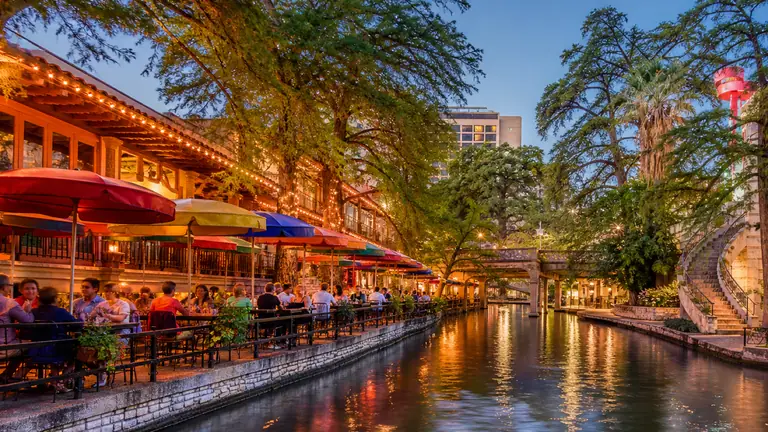
A practical answer on whether San Antonio is best as a 2-day, 3-day, or 4-day trip, with the strongest trip shape for each.
History planning
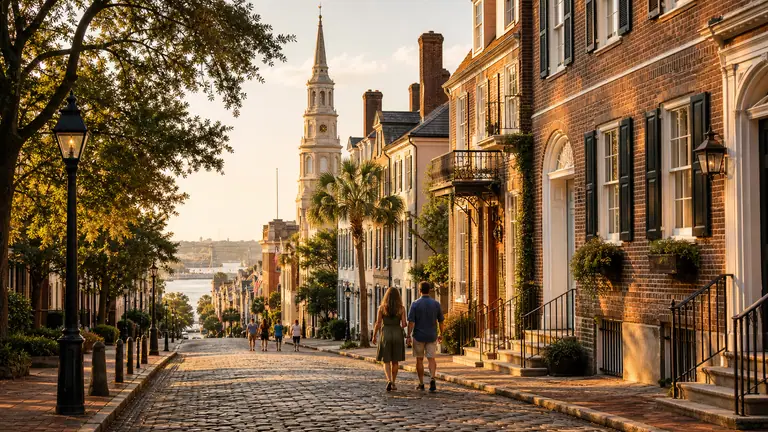
A practical guide to history-focused weekend trips that still feel like satisfying vacations, not just educational stoplists.
Long weekend planning
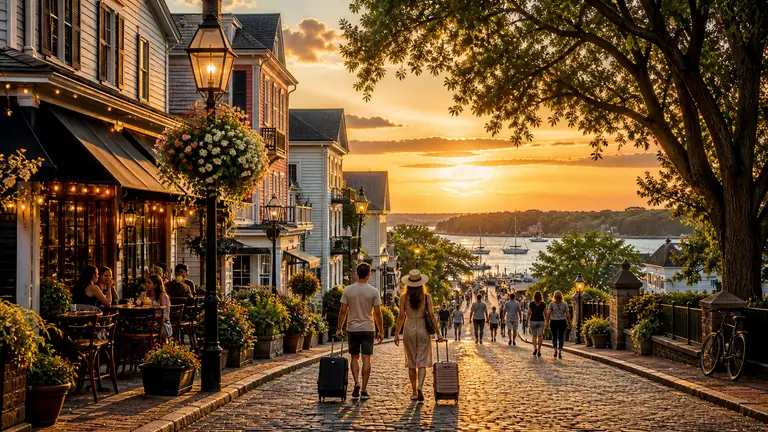
A practical guide to choosing the right U.S. Long weekend based on trip style, whether you want food, nightlife, history, beach time, or a low-effort reset.

City-break reframing
Philadelphia gets better when history becomes texture for the trip rather than the only purpose of it.

Dual-focus planning
Philadelphia is strongest when food and history work together instead of competing for time.

Energy-management guide
New Orleans is more fun when intensity is paced instead of treated like a test of endurance.

After-dark base strategy
The best New Orleans base depends on whether you want immediate nightlife access, softer evenings, or a bridge between both.

Underrated trip case
Norfolk is not a maximalist city break, but that is part of why it can work so well for the right traveler.

Waterfront base guide
Where you stay in Norfolk changes whether the weekend feels more urban, more regional, or simply more convenient.

History-trip reframing
Williamsburg gets better when history stays central but the pace stays humane.

Stay strategy
The right Williamsburg base depends on whether you want the historic district doing most of the work or a broader, softer family setup.

Walking-city strategy
Boston works especially well when the trip is built around neighborhood walking and not just the headline history loop.

Beyond-the-obvious guide
The Freedom Trail matters, but Boston becomes much more interesting once it stops being the whole storyline.

Trip-balance guide
Charleston can be a polished city weekend, a softer coastal mix, or a little of both depending on how much range you want.

Food-first planning
Charleston is one of the clearest examples of a city where restaurants can shape the whole emotional arc of the trip.

Couples planning
Savannah is one of the easiest cities to ruin by trying too hard. It works when the pace stays soft enough for mood to do its job.

Stay strategy
Where you stay in Savannah determines whether the city feels effortless and atmospheric or just mildly inconvenient.

Trip planning basics
DC gets better when the trip length matches how much museum time, monument walking, and neighborhood breathing room you actually want.

City-break reframing
Washington, DC gets much better when history becomes the setting for the trip instead of the entire burden of it.

Area strategy
The best part of Washington, DC depends on whether you want monuments first, neighborhood atmosphere, or a more polished waterfront base.

Area strategy
The best part of Santa Fe depends on whether you want walkable historic-core convenience, art-heavy atmosphere, or a quieter high-desert reset.
City-break reframing
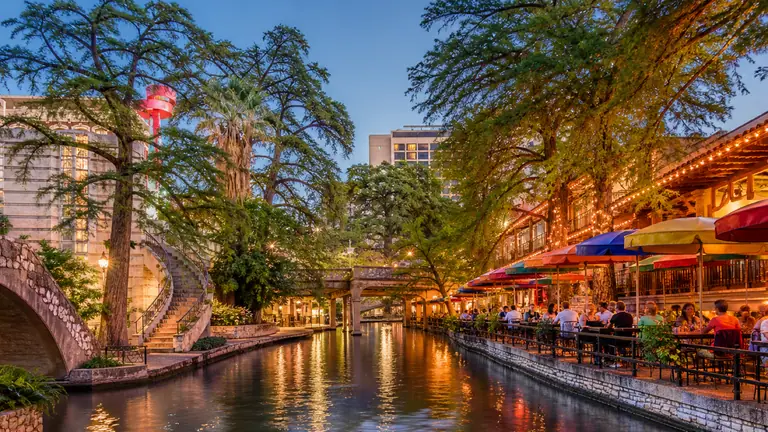
San Antonio gets better when the River Walk stays important without becoming the entire trip.

Balanced planning
San Antonio is at its best when Tex-Mex, mission history, and the city's gentler pace all get space in the itinerary.

Area strategy
The right Dallas base depends on whether history and museums, polished dinners, or neighborhood texture should do the most work on the stay.

Trip length guide
A practical answer on two, three, or four days in Memphis, with room for Civil Rights history, music landmarks, barbecue, and a night that does not have to happen on Beale Street.

First-time itinerary guide
A clear three-day Memphis plan that gives Civil Rights history, Sun, Stax, Graceland, barbecue, and live music the right amount of room, and refuses to flatten them into the same tourist checklist.

Stay strategy
Downtown is best for a first short trip, Montford is calmer, and Grove Park is for travelers who want the hotel to be part of the vacation. Here is how to choose without buying the wrong kind of convenience.
Trip-length guide
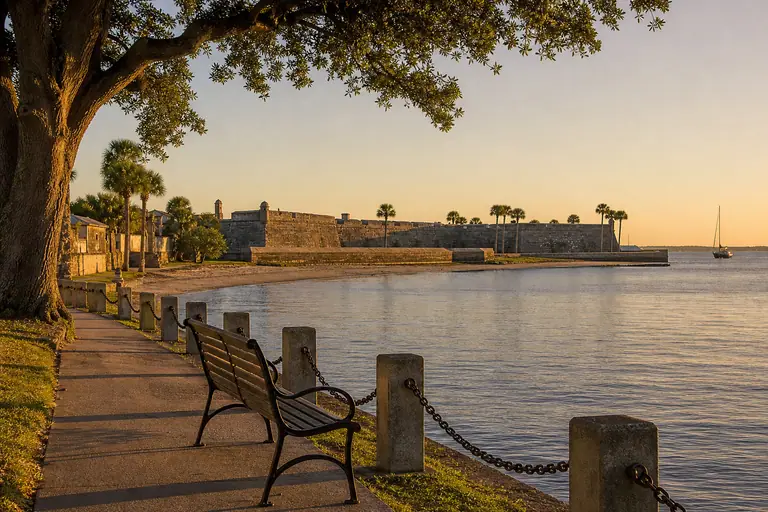
Two nights can work for the fort and old streets. Three days is the honest answer if you also want Anastasia Island, a real meal, and time to stop treating every brick building as an appointment.

Where to stay guide
Stay in the historic district for dinner walks and the fort at your door. Stay near the beach only if the ocean is a daily plan, not just a nice idea on the booking screen.

First-time itinerary guide
A first-time St. Augustine itinerary that gives the fort, old town, Lincolnville, and Anastasia Island enough space without treating a historic city like a theme-park queue.
First-time itinerary guide
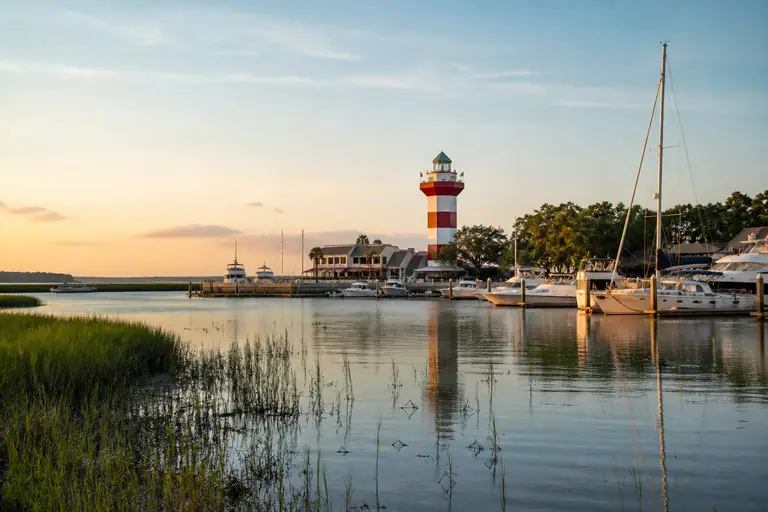
A four-day Hilton Head plan for beach time, Harbour Town, Lowcountry history, and a waterfront meal, without spending the better part of your vacation rearranging reservations.

Milwaukee planning
A Milwaukee long weekend works when the lakefront, one indoor history or art anchor, and one food neighborhood each get their own lane.

Milwaukee planning
The best Milwaukee itinerary groups the lakefront and Third Ward, downtown and history stops, or Bay View and the south side instead of trying to sample all three.

Stay strategy
Stay downtown or by the harbor for walkable dinners and sailing access. Choose Bellevue Avenue for historic-hotel character and mansion proximity, not because it is secretly the same neighborhood.

First-time itinerary guide
A first Newport long weekend works when one mansion day, one water-and-coast day, and downtown evenings are allowed to stay separate.

Louisville planning
If you are planning Louisville, this is the kind of advice I would give a friend who wanted the practical answer before booking anything.

Galveston hotels
Stay on the Seawall for beach-first days, The Strand for dinners and harbor history, East End for a quieter historic base, or Moody Gardens for an attraction-led family trip.

Galveston itinerary
Build Galveston around one beach block, one historic downtown evening, and one weather-proof or quiet-island day that does not get squeezed between them.

Oklahoma City planning guide
Choose the Oklahoma City base that fits your museum plans, evenings, and tolerance for rideshares.

Oklahoma City planning guide
Use two or three days in Oklahoma City without racing between the Memorial, museums, and neighborhoods.

Oklahoma City planning guide
Build an Oklahoma City weekend around districts so the Memorial, museums, food, and evenings do not become a transfer problem.

Waco trip planning
A three-day Waco itinerary that balances Magnolia Market, riverfront history, Baylor, the Mammoth Monument, and a good food stop.

Trip-length guide
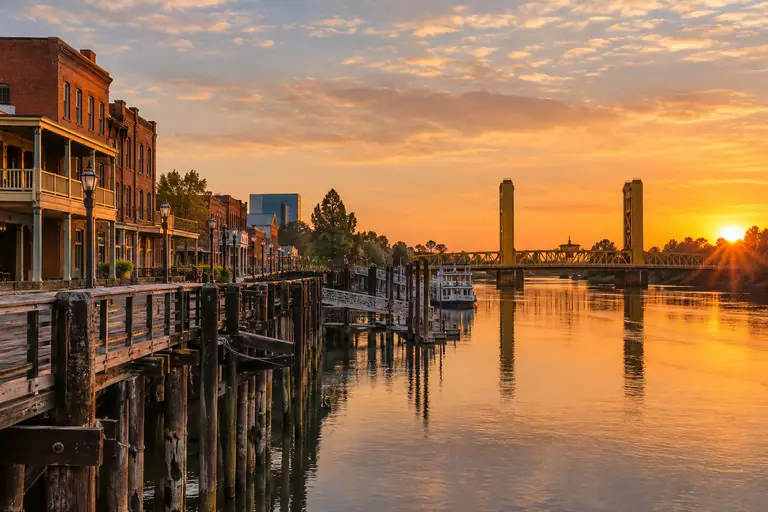
Two or three days in Sacramento? This guide shows what fits, what to leave out, and how to group the Capitol, Old Sacramento, and Midtown.

Hotel-area guide
Choose the right Sacramento base for Capitol visits, riverfront history, restaurants, and a car-light weekend.
Weekend planning guide
Plan a Sacramento weekend with the Capitol, Old Sacramento, Crocker Art Museum, and a Midtown dinner in the right order.