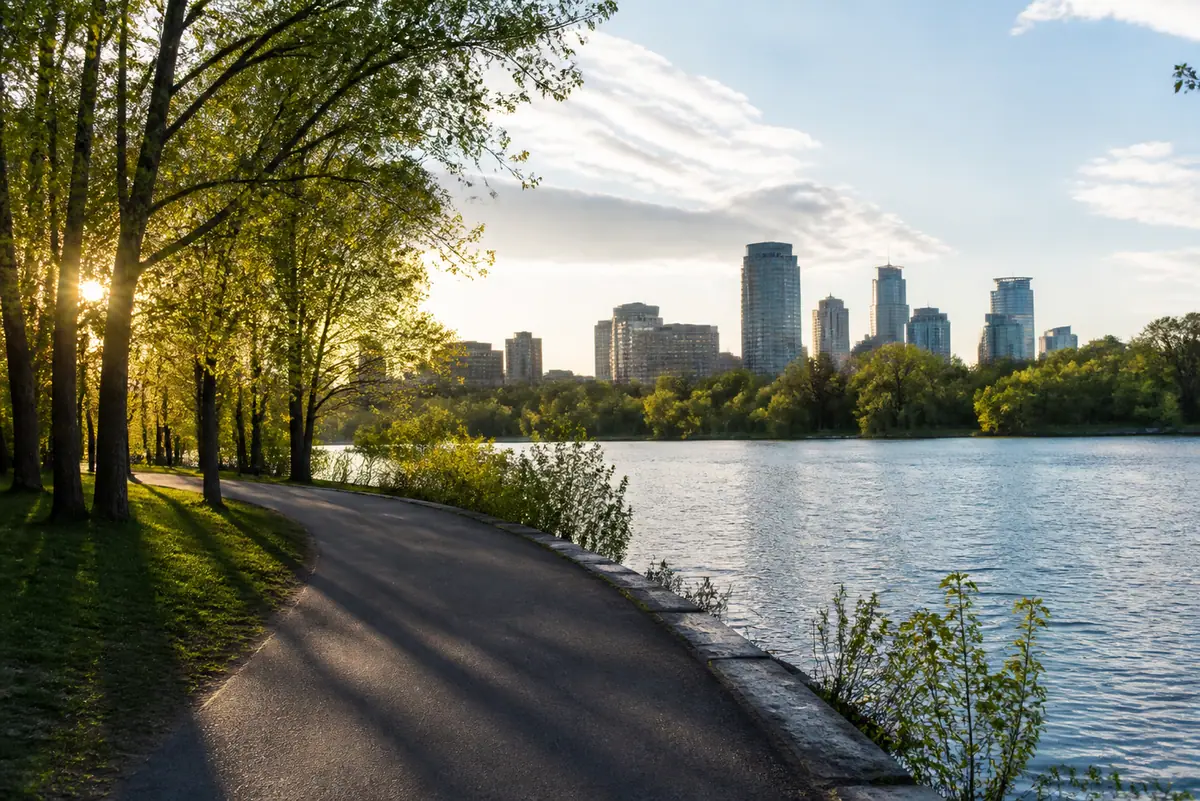
The best Minneapolis itinerary groups the river and Northeast, museums and downtown, or lakes and south Minneapolis instead of trying to sample all three.
Quick read
Key takeaways
- Keep the Mill District and Northeast together.
- Give the lakes a good-weather window instead of a fixed obligation.
- Treat Paisley Park and St. Paul as focused side trips, not lunch-hour detours.
Turn this read into a trip
Start planning Minneapolis
If this guide is pointing you toward Minneapolis, jump into the destination guide for itinerary ideas, stays, restaurants, and a faster next step.
Plan with fewer surprises
Practical notes from the related destination guide
Use these guide details to shape the trip, then confirm operational information with the linked official source before you go.
Minneapolis
Typical stay: 2 to 4 days · Getting around: mixed
- Do not build one day from the lakes, Northeast, Minnehaha, and downtown. Minneapolis feels spread out once weather and parking enter the plan.
- Treat the skyway as a cold-weather convenience, not an attraction. The riverfront, lakes, and neighborhoods are the reason to visit.
Guide note: Downtown, North Loop, the Mill District, and parts of Northeast connect well on foot and by transit, but the lakes, Minnehaha, Paisley Park, and many neighborhood dinners do not belong in one walking loop. Use rideshare, transit, or a rental car selectively. Check current Metro Transit service, parking, bike conditions, venue hours, and reservations before a timed itinerary.
Official Minneapolis Institute of Art informationOpen the Minneapolis guideChicago
Typical stay: 3 to 4 days · Getting around: walkable
- Book architecture cruises, headline restaurants, and games ahead in peak season.
- Use trains for major neighborhood shifts when traffic is heavy.
Guide note: Fly into ORD and stay fairly central; this visit usually works best with walking, short rideshares, and only occasional transit or parking decisions.
Official Chicago Architecture Center informationOpen the Chicago guideWhere to go next
Open the destination guides behind this guide.
Use the full destination pages when you are ready to move from advice into actual trip shaping.


The short answer
Build Minneapolis in zones. The river and Northeast make one day. Mia, Walker, downtown, and the North Loop make another. Lakes and Minnehaha need the forecast to cooperate.
That approach feels less ambitious on paper and much better in real life. Minneapolis has more than enough material without forcing a windshield tour between every stop.
- Best for travelers willing to let weather and neighborhoods shape the schedule.
- Wrong for travelers who see a short drive and assume it belongs between every reservation.
- Protect this first. The outdoor weather window and one substantial indoor anchor.
Routes that work
Start in the Mill District with Mill City Museum and Stone Arch Bridge, use the Guthrie lobby, then stay in Northeast for food, art, or a brewery. Or put Mia and Walker together and finish in the North Loop.
For a clear day, choose a real loop around Bde Maka Ska and Lake Harriet or a Minnehaha visit. Do not try to squeeze both in around downtown reservations unless your group loves moving more than lingering.
The mistake people regret fastest
The common bad plan puts the lakes, Stone Arch Bridge, Mia, Minnehaha Falls, and a Northeast dinner on the same day. Minneapolis looks flatter and tighter on a map than it feels once weather, parking, and a group’s attention span get involved.
Give the river, the lakes, and one neighborhood their own room. You will remember the city better when you stop treating every pleasant place as a quick detour.
The weather-proof Minneapolis
Mia, Walker, Mill City Museum, Weisman, American Swedish Institute, and the Guthrie lobby are not backup-tier attractions. They are what make a cold, wet, or smoky day feel intentional.
If the forecast cooperates, protect the Stone Arch Bridge and a real lake loop. If it does not, do not punish the trip by forcing an outdoor itinerary with bad gear and worse moods.
A useful day shape
Pair Mill City Museum, the Stone Arch Bridge, Guthrie, and Northeast dinner. Put Mia and Walker on a different day, then finish in the North Loop. Keep the lakes and Minnehaha for the weather window.
Paisley Park is its own decision. Prince fans should reserve it and give it the time. Everyone else should not sacrifice a good Minneapolis neighborhood day just to say they went.
What is worth booking and what to skip
Reserve the dinner you would genuinely be disappointed to lose. Spoon and Stable, Owamni, Young Joni, Hai Hai, and Kado no Mise can shape the evening more than another hotel bar.
Skip treating the skyway as a sightseeing plan. It is an excellent winter tool, not the reason you flew here.
A quick planner for this trip
Start by protecting the decision that changes the whole Minneapolis trip: Keep the Mill District and Northeast together. Give the lakes a good-weather window instead of a fixed obligation. Treat Paisley Park and St. Paul as focused side trips, not lunch-hour detours.
Best fit: travelers who can let one area or one major outing lead the day. Wrong fit: travelers who expect every worthwhile stop to fit between unrelated reservations.
- Choose one anchor before choosing a second neighborhood.
- Keep one weather or energy pivot instead of a backup list you will never use.
- Protect the base, dinner, or timed entry that would be hardest to replace.
What repeat visitors figure out faster
The first trip often gets built around the headline. The better return version of Minneapolis leaves room for the part that makes the headline enjoyable: a calmer morning, a nearby meal, or simply not crossing town again.
If the day starts feeling like a sequence of transfer points, remove the least important stop. That is usually a better trade than racing the clock.
What people only notice once they are there
The friction is rarely the landmark itself. It is parking, weather, a long return to the hotel, or the moment a group realizes its energy is gone. Minneapolis works better when the plan leaves room for that reality instead of treating it as a failure.
Use the first real delay as a signal to simplify the rest of the day, not as a reason to hurry harder.
What people get wrong
The tempting mistake is to keep adding “just one more” stop because it sounds close or iconic. In Minneapolis, that usually turns the best part of the day into a transfer.
Choose the experience that matches the trip’s actual purpose, then let the rest of the plan support it.
What to skip, what is overrated, and what is worth planning ahead
Do not treat proximity on a map as proof that two experiences belong in the same day. In Minneapolis, the useful plan is the one that leaves enough time for the part you actually came to do.
Plan ahead only for the item that would genuinely disappoint you to lose—then let meals, small stops, and the second half of the day stay flexible.
Keep planning
Read Minneapolis in 3 Days: A First-Timer's Plan for Lakes, Museums, and Real Neighborhood Time
This guide pairs well with the section you just read and gives you another concrete next step instead of leaving the planning half-finished.
Open related guide